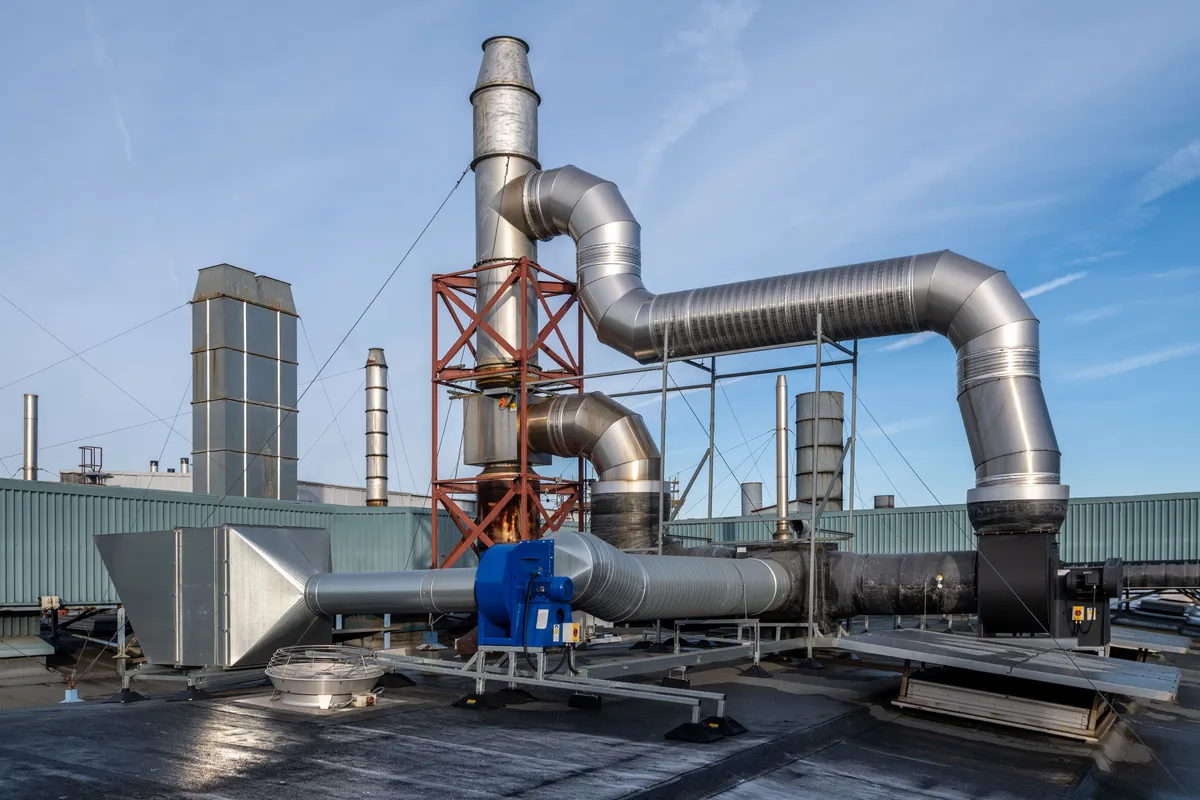
Industrial heat recovery could save you money
Hiding in plain sight: finding the real opportunity in industrial heat recovery
Across industrial and manufacturing environments, considerable amounts of energy are used every day.
From running compressors to ovens to production equipment, some of that energy eventually leaves the process as heat. At the same time, the business may be purchasing gas or electricity to heat water, maintain process temperatures, clean equipment or warm another part of the building.
That creates a disconnect but can also create significant opportunities.
Even businesses with experienced engineering teams and established energy-reduction programmes may not spot solutions in the way different processes interact. Across most industries, there are businesses generating usable heat without fully considering where else it could be put to work.
When considering if waste heat could be put to work elsewhere in the engineering process, these three questions provide a useful starting point:
Where are you generating heat?
Where is it currently going?
Where are you paying to generate heat somewhere else?
These answers can be enlightening and uncover a lot of untapped potential. The value comes from understanding where the heat is, why it matters and what should actually be done with it.
Optimise, don’t maximise
When finding a source of recoverable heat, the next question should be:
Why should you recover it and where could that heat create value?
It might reduce gas used to heat process water, lower energy demand elsewhere in production, reduce operating costs, improve a building’s energy performance or contribute towards carbon-reduction targets.
Knowing what you want to achieve helps determine how much of the available heat can productively be used and what level of investment is justified.
Just because it’s there doesn’t mean you can necessarily use it.
On one compressor project, the initial ambition was to recover all of the available energy. While the technology could support that, in reality the operation did not have sufficient demand for all the heat. Recovering all of it would have required additional capital equipment to capture the energy without anywhere productive for it to be reused.
To equate it to an everyday occurrence, it would be like filling a kettle to the brim, boiling it, and then only using the water for one cup. Having the capacity available does not make using all of it worthwhile. On an industrial scale, getting that balance wrong can mean committing considerable expense for unnecessary capacity.
Good scoping therefore considers the outcome the business needs, how much energy it can put to productive use and whether the potential benefit warrants the investment. That’s why you should optimise rather than maximise.
Another consideration is that the biggest heat source may not provide the strongest opportunity. A smaller source used consistently throughout the year can be more valuable than a larger one with intermittent demand.
Factory heating provides a good example of this because the demand is seasonal. Processes such as washdown water, CIP systems and heated production tanks can require heat every day, allowing recovered energy to be used much more consistently.
There are also wider reasons to consider the investment and these considerations can materially affect the investment case.
For eligible energy-intensive businesses, Climate Change Agreements provide reduced Climate Change Levy rates in return for meeting agreed energy-efficiency or emissions targets. From April this year, the maximum discount is 92% for electricity and 89% for natural gas.
Energy performance requirements for commercial buildings are evolving too. The Government confirmed in June that it intends for privately rented non-domestic buildings over 1,000 m² in England and Wales to achieve EPC B from 2031.
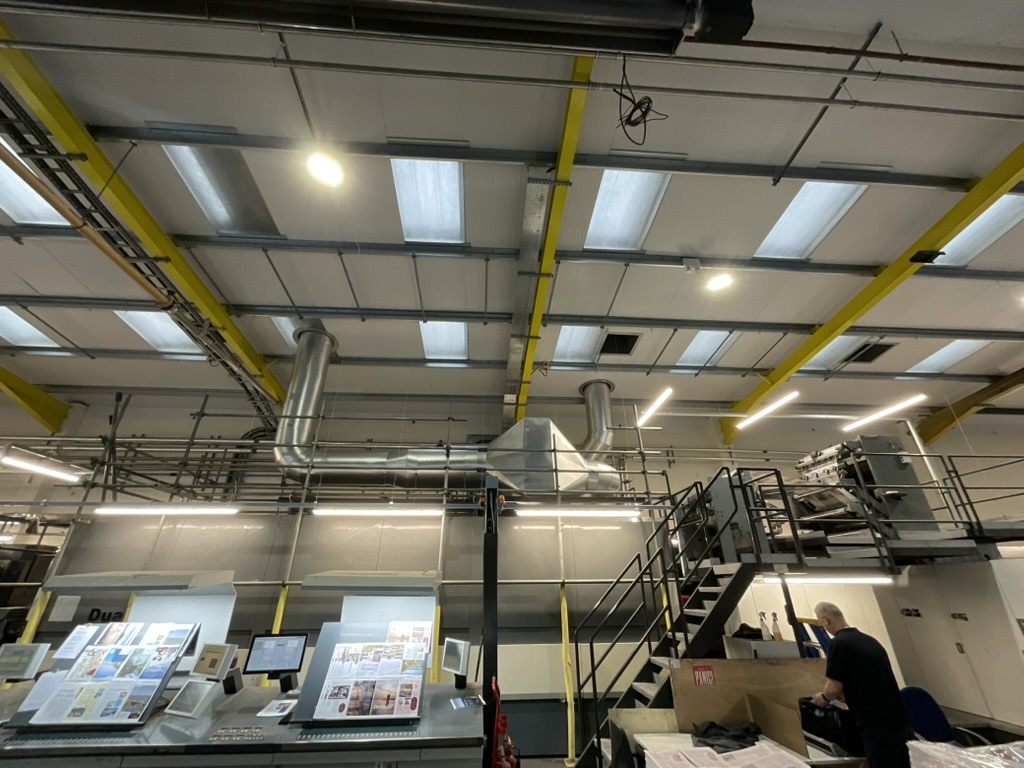
We worked with a Midlands-based printing business where heat recovery was considered alongside re-insulating the roof to improve the building’s energy performance. After consultation, the heat recovery option was around £100,000 less expensive than the proposed roof insulation and also offered the opportunity to reduce ongoing gas consumption, making a far stronger investment proposition.
In the early stages of monitoring, the results showed that around £800 was saved over one weekend, even before the available recovered heat was being fully utilised.
Heat recovery can represent an invaluable investment when there is a useful destination for the energy and the financial, operational and environmental benefits justify the capital, time and infrastructure required.
Having heat recovery is not necessarily the same as optimising it
The same scrutiny is valuable for businesses that already have heat recovery.
Processes evolve. Equipment changes. Operating hours alter and new demands emerge elsewhere within a factory. A system designed several years ago may no longer reflect how energy moves around the operation today.
Existing installations can also be limited by how the heat recovery equipment has been integrated. Arcade has encountered systems where the equipment itself was capable, while the surrounding design restricted performance or created problems for the machinery it was connected to.
Wenlock Spring Water provides a strong example of what ongoing optimisation can achieve.
The original opportunity involved recovering heat from an air compressor and using it to preheat water required to clean reusable 19-litre bottles. It created a clear match between energy already being generated and a process that regularly required heat.
Wenlock reports that its heat recovery system saves around 83,000 kWh each year, while its combined heat and air recovery measures have cut energy usage by 22%.
Success with that first intervention prompted a wider look at their other processes. We found that water leaving the system down the drain was still around 30 to 32 °C. That heat could be retained to help preheat incoming cold water. The introduction of a high-pressure blower within bottle production created another potential energy-recovery opportunity.
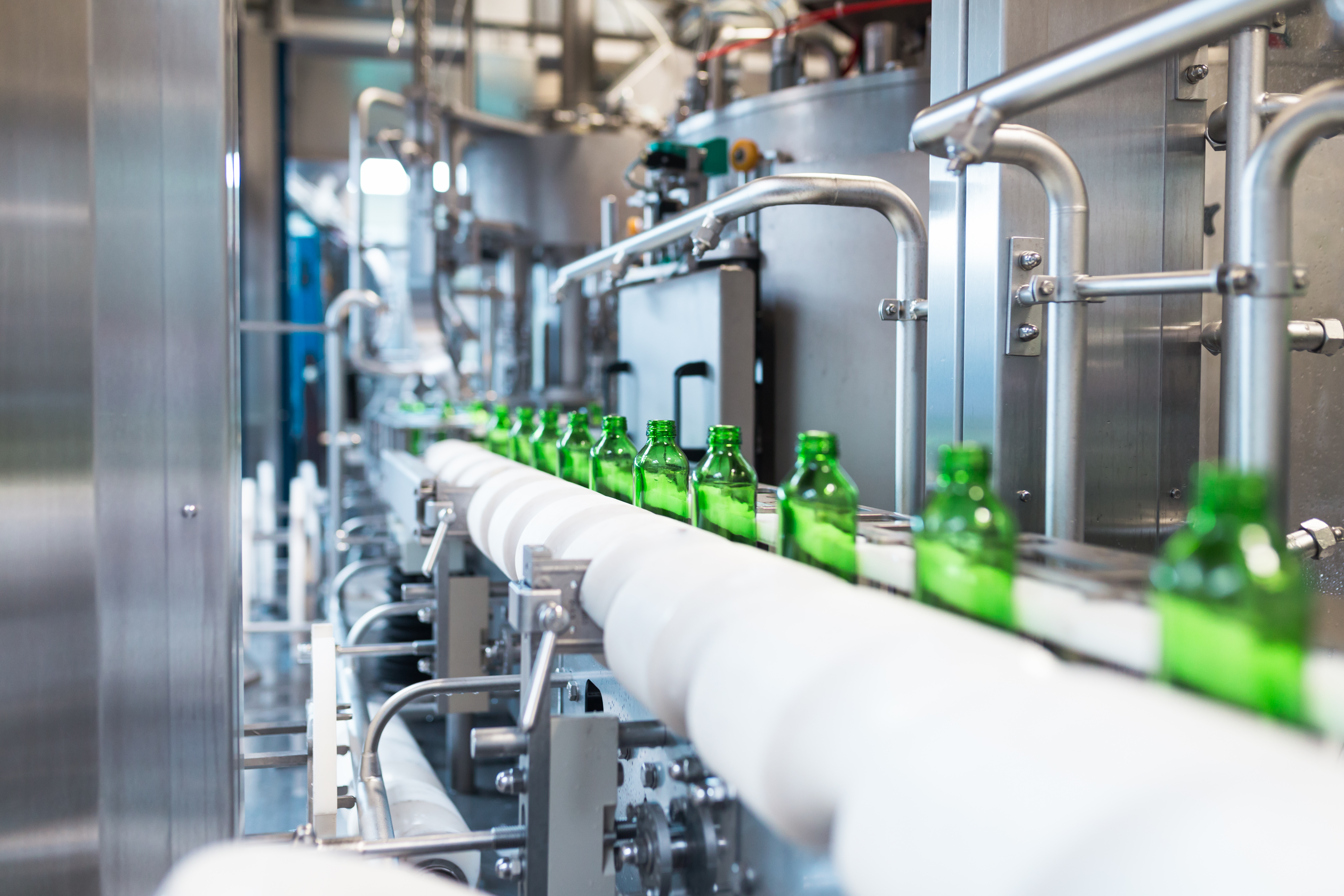
The result is a progressively more joined-up approach to how energy is used throughout the operation and the effect that has on the balance sheet both financially and in terms of energy consumption.
A business does not have to identify every intervention at once. A well-scoped first project can demonstrate value, improve understanding and reveal where the next opportunity lies.
Effective heat recovery requires a whole-process view
Recognising the right opportunity requires looking beyond the equipment producing the heat and is where specialist process engineering becomes valuable.
The heat recovery process is flexible and shows up very differently from one business to another. In our 20 years’ experience in this form of process engineering we have worked with car manufactures, recovering energy to be used to heat process baths for washing and degreasing components before painting. In food and beverage production, we’ve highlighted opportunities in washdown water, CIP systems and bottle rinsing. Printing presses and industrial ovens also provide different possibilities through high-temperature exhausts.
The opportunity often becomes clearer when the processes are considered together.
Arcade helps businesses find the opportunity before it designs the solution and our specialist consultative approach allows the scope to be tested and refined around what the operation can genuinely benefit from.
Measure, scope and prove
Headline figures can help identify potential but they don't always tell the full story.
In some oil-cooled air-compressor applications, around 90% of the electrical energy used can potentially become available as heat. A 100 kW compressor could therefore indicate around 90 kW of recoverable energy.
Across some printing applications, presses of around 2.2 MW can provide approximately 200 to 250 kW of recoverable heat.
Those numbers provide a starting point. Establishing whether they represent a strong investment requires a fuller picture.
How consistently is the heat available? What temperature is it? How much does the proposed destination require? Do supply and demand coincide? What purchased energy could be displaced? What infrastructure is needed to connect them?
The answers establish how much of the theoretical potential can become a practical and commercially worthwhile opportunity.
Where reliable energy, gas, heat and water information already exists, it can be used to assess potential savings and develop initial costs and indicative payback. Where information is missing, temporary or permanent metering can be provided to evidence the need to develop a properly scoped proposal.
The time involved also deserves consideration. Larger projects may need to move through annual budgets, internal approvals and capital investment plans. We have seen heat recovery proposals take one or two years to progress from initial quotation towards approval.
At Perkins Engines in Peterborough, monitoring is providing greater visibility of temperatures and recovered energy across a site with around 1.6 MW of air-compressor capacity. Heat meters and digital monitoring demonstrate what the investment is delivering and can help reveal where further optimisation may be possible.
Measure the opportunity, scope it properly and use the results to prove what the investment is delivering.
Engineering heat recovery into a live operation
A strong business case still has to work safely and reliably within the realities of production.
High-temperature exhaust recovery demonstrates why.
Arcade’s experience in printing includes exhaust flues operating at around 350 to 360 °C. Those temperatures create significant recovery potential, but extracting too much heat could jeopardise the operation of the exhaust system.
The composition and dew point of the gases have to be considered. If certain exhaust streams are cooled too far, moisture and chemicals can begin to condense inside the flue. In a solvent-based process, that could result in solvent-containing condensate forming within an active exhaust system.
Installation also has to work around the live operation. Modifying flues and ovens may require planned production downtime, while bespoke equipment can extend delivery times.
Reliability matters too. If recovered heat comes from a production machine, that source disappears when the machine stops. Some processes will therefore still require secondary or standby heating.
The amount of heat recovered needs to work safely, reliably and productively within the process it serves.
Where is your opportunity?
There remains considerable untapped potential across industrial and manufacturing environments.
Some businesses will already know where energy is leaving their processes. Others may be buying energy every day to meet a demand that could, at least in part, be served by heat already being generated elsewhere.
Some will already have heat recovery and have never revisited whether it is delivering everything it could.
And some will be unaware or are yet to see the opportunity.
The questions worth asking are straightforward:
Where are you generating heat?
Where is it currently going?
Where are you paying to generate heat elsewhere?
Where could that energy create value?
Would recovering it deliver enough benefit to justify the investment?
When heat recovery is approached with a clear purpose, sound data and a full understanding of the process, energy that would otherwise be lost can become measurable, lasting value for the business.
Could there be an opportunity hiding within your operation? Talk to us today.
